
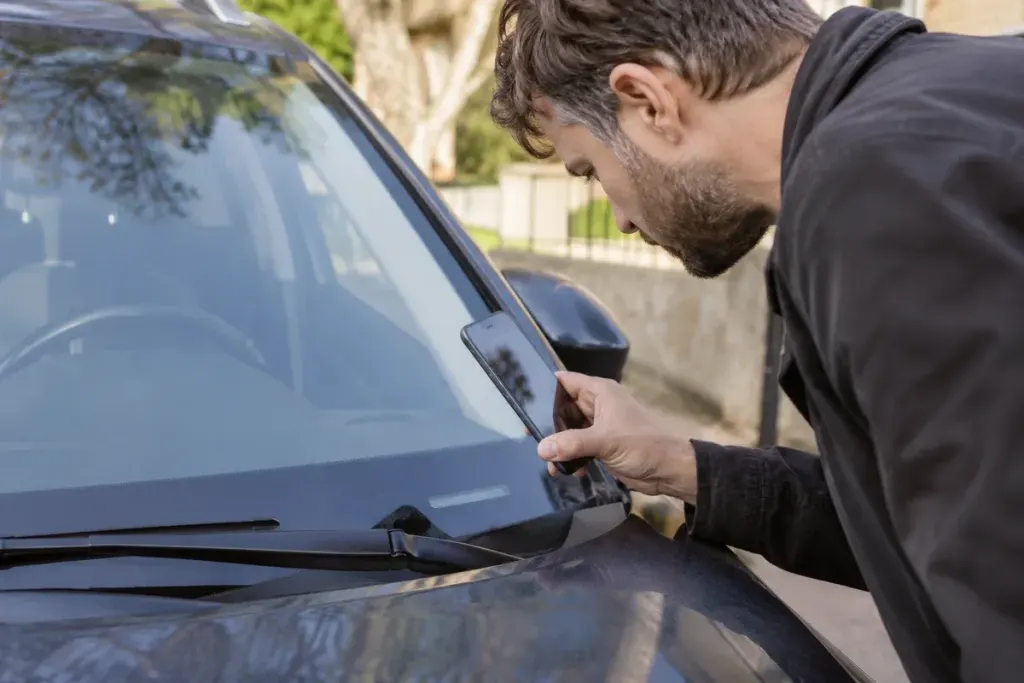
A used car can have tidy service records and still need a safety-recall repair. Conversely, a recall notice does not tell you everything about its accident history or routine maintenance. These checks overlap in the buying process, but they are not interchangeable.
Make a recall search a separate step for the exact vehicle you are considering. The relevant identifier is usually the vehicle identification number, or VIN, rather than only the model name and year.
Check the car, not just the advertisement
Compare the VIN in the paperwork with the identifier on the vehicle, using the locations described by the manufacturer. If something does not match, resolve that before relying on a search result. Do not post the full identifier in a public discussion merely to ask a general question.
For US-market vehicles, NHTSA’s recall lookup is an official starting point. For other markets, use the relevant regulator and manufacturer’s official service. A vehicle imported from another country may need additional checking with the manufacturer or authorised representative.
Read what the result includes
A lookup is not a complete ownership record. Read the tool’s stated coverage and limitations, including whether it lists repaired recalls, recently announced campaigns or older vehicles. An empty result should not be expanded into a promise that the car has never had a defect.
Save the date of the search and the source used. If the tool cannot identify the VIN or the information is unclear, ask the manufacturer to clarify. Avoid resolving a mismatch by simply trying a similar model until you get a reassuring answer.
Turn an open recall into a practical question
Read the manufacturer’s instructions for that specific campaign. Some notices contain urgent directions about use or parking. Follow those instructions and contact the manufacturer or authorised repairer; do not assume every recall allows the same driving arrangements.
Ask whether the remedy is available, how an appointment is arranged and what record you will receive when the work is completed. Keep the campaign reference with the service paperwork. A seller’s statement that a repair “will be done” is different from documentation that it has been completed.
Keep the check alive after purchase
Make sure the manufacturer has your current contact details through its legitimate registration or ownership-update process. Review official recall information periodically and when an unexpected notice arrives. Verify messages independently before providing personal information or following payment links.
A pre-purchase inspection, maintenance review, history check and recall lookup each answer a different question. Keeping their results separate makes it easier to see what you know about the car—and which answer is still missing.